
The care and wellbeing of our students is of the highest priority at Woodlands Community College. The school has the highest expectations of its students with regard to behaviour, attendance, academic progress and social and personal development and the pastoral system is crucial in supporting this.
The Pastoral System consists of three main elements:
- Tutor Groups
- Year Groups
- House Groups
Tutor Groups
Students will be placed in a tutor group with other students of the same age when they arrive at the school and will meet with their tutor and tutor group each day. Tutors are an invaluable source of support and guidance throughout students’ time at school.
Year Groups
Students’ wellbeing, attendance and academic progress will also be tracked carefully by a Pastoral Leader. Pastoral Leaders ensure that your child is being challenged to achieve in every aspect of school life and will work with you and your child to remove any obstacles which may be holding your child back from maximum success. The Pastoral Leader and tutor are supported on a daily basis by an Assistant Year Leader, who do not have teaching commitments and are therefore able to deal with issues as they arise during the school day.
House Groups
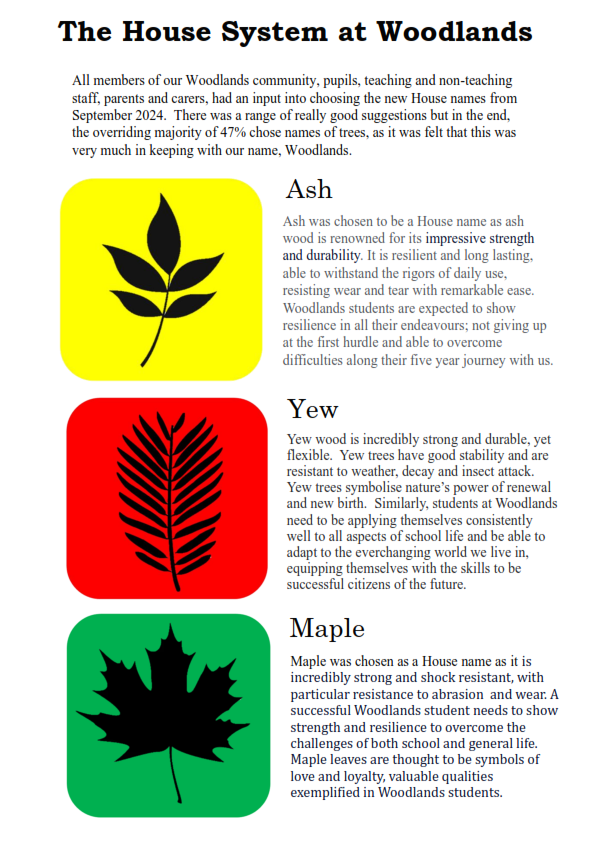
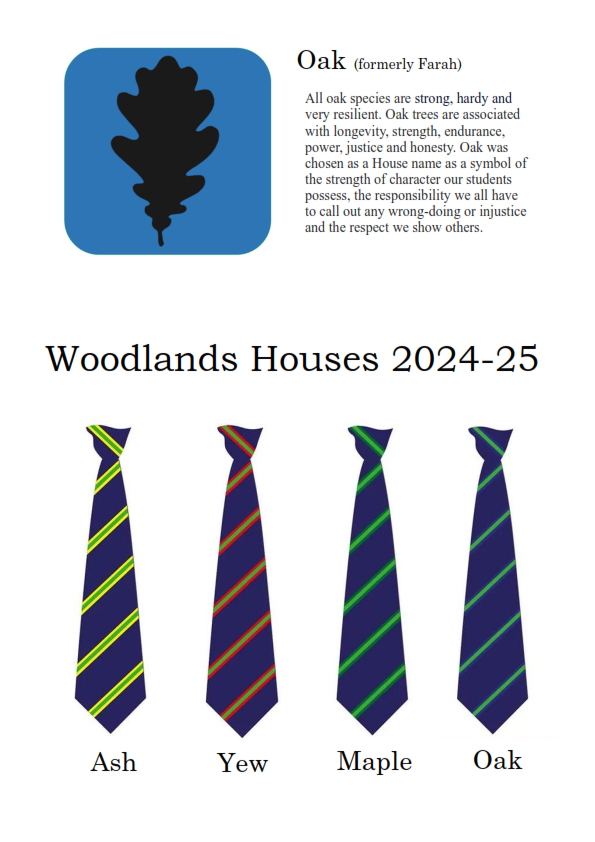
Each student is also allocated to a House group. The Houses form an important part of our school community, encouraging healthy competition, team work and a sense of belonging and identity. Competitions and events are held throughout the year through tutor times, lessons and extra-curricular clubs.
At the end of each half term there is a House assembly in which the school community comes together to celebrate the achievements of each House. House cups are awarded to Houses for things such as improved attendance, most stamps achieved and participation to extra-curricular activities.
Get in contact with the Year Team





Alternative Provision Overview
Provision Name | Primary Need(s) | How is the provision delivered? | Provision lead and Line Manager |
LINK | SEND/EBSA | 1:1 and small groups. Students have timetabled sessions to attend LINK, usually for a 6 week period | LS/EJS |
The Harbour | SEND/SEMH | 1:1 and small groups. Students have timetabled sessions to attend The Harbour alongside a main school timetable. In some cases, students’ entire provision is delivered in The Harbour. | SC/LF |
ALPS | SEND/SEMH | Small groups. In most cases, students attend ALPS for a 6 week period before a supported transition back to main school. In some cases, students’ entire provision is delivered in ALPS | MW/RCO |
3R Room | SEMH/Behaviour/Self-regulation | 1:1 and small groups. 3R room intervention takes place as timetabled slots alongside a main school timetable and typically runs for a half termly period | BMY/CSH/NI |
The Cove | SEND/SEMH | Small group. The Cove is a separate provision to main school and is a specialist unit specifically for KS3 girls whose primary need is SEMH | TD/LF |
LINK
LINK is a safe space located in the main school building and is provided as an additional resource base for learners with SEND who are unable to attend mainstream lessons for a variety of reasons. These include, but are not exclusive to: loud and busy classrooms, performance-based subjects, medical exemptions, or to support attendance for learners with absence due to Emotional Based School Avoidance. LINK is also a space for pupils to use during social times if they would prefer a quieter environment to the designated year group areas. The principle role of LINK is as its namesake; to provide a LINK between SEND support and main school lessons and the provision functions to help support pupils’ reintegration to main school lessons.
Whilst attending lessons in LINK, pupils will generally be completing work which has been set by their subject teachers. This will either be completed independently or will be supported by a TA. Where this is not the case, pupils may participate in the following interventions:
- Reading comprehension
- Handwriting
- Spelling and vocabulary
- Numeracy
- Understanding Myself Autism course
KS4 pupils may also use their timetabled session for revision or coursework.
The majority of pupils accessing LINK do so for a short period of time and are then able to return to a full timetable. For some pupils, this provision is in place for a longer period of time. In both instances, the provision is regularly reviewed.
Once pupils have returned to a full time timetable, they may still need some support from LINK in the form of an exit pass. These allow pupils to access the space to regulate before returning to class. In these instances, learners can participate in the timetabled activities in LINK at the time, or spend the time in the sensory corner using their learned strategies. Once pupils have regulated, they will return to class.
Pupils may be referred to LINK by year teams or class teachers. Referrals are sent directly to the KS4 SENDCO responsible for the LINK provision.
Relaxation Corner
The relaxation corner is used by learners seeking to regulate their emotions or behaviours. It offers a calming space and an opportunity for independent reflection, or conversation with an ELSA.
Protocols for LINK
Protocol | Person(s) Responsible | Monitored By |
A register must be taken within the first 10 minutes of every lesson. The school protocol of notifying on call for any learner not present, but with attendance marks for the day, must be upheld. | LS | EJS |
In cases where non-timetabled learners are escorted to LINK by a Teaching Assistant, the sign in and sign out sheet on the front desk must be completed. These visits should be irregular and brief to allow pupils to regulate themselves before returning to lessons. | TAs | EJS |
For timetabled sessions, there should be a clear plan for the activities/interventions taking place each day. These should take into account learners’ needs. | LS | EJS |
Subject leaders and class teachers to liaise with LINK staff on topics they would like the pupils to cover whilst in LINK for a timetabled lesson. All communication should be kept and recorded. | LS | EJS |
Whilst in LINK, learners are expected to adhere to the school values of Respect, Responsibility and Resilience. Whilst consideration for leaners’ needs will be taken into account, the school behaviour policy will be implemented if learners are not engaging with instructions appropriately and in a timely manner. For students demonstrating the 3Rs, a reward point will be issued on Class Charts at the end of each lesson. | LS | EJS |
Whilst in LINK, learners are expected to attend in full school uniform. | LS | EJS |
The LINK provision is primarily a 6 week placement, so the reintegration process must be followed and monitored. LINK staff to liaise with subject leaders or heads of year to begin the timeline. | LS /EJS | EJS |
Key pupils in LINK will have a one page profile that will be shared with class teachers on a regular basis. | LS | EJS |
The Harbour
The Harbour is a provision aimed at providing additional support for learners with SEND, whose primary need is related to Social, Emotional and Mental Health. The Harbour is located on the main school site, adjacent to the ALPS department building. The Harbour is intended to be a blended provision, with learners accessing the resource alongside their regular timetabled provision. The Harbour is designed to be a safe space for learners with SEMH and offers an opportunity for small group and 1:1 emotional literacy interventions, as well as literacy and numeracy support to help learners access their academic provision.
Whilst attending sessions in The Harbour, pupils can expect to participate in a range of the following:
- Emotional literacy support, including the ‘Understanding Myself’ program
- Discussions to support coping strategies to support self-regulation whilst in lessons
- Literacy and vocabulary support
- Numeracy support
The intention is for The Harbour to be an intervention and the timetable will be reviewed on a half-termly basis. In most cases, learners would reintegrate back to their full timetable, however, there may be cases, where this additional support may be required as part of their ongoing provision.
Protocols for The Harbour
Protocol | Person(s) Responsible | Monitored By |
A register must be taken within the first 10 minutes of every lesson. The school protocol of notifying on call for any learner not present, but with attendance marks for the day, must be upheld. | SC | LF |
Learners attending a timetabled session in The Harbour must wait at reception and will be collected by SC and taken to The Harbour. Learners must not leave reception unescorted | SC | LF |
At the end of a session, learners must be escorted back to the main school building. They must not be allowed to return unescorted. | SC | LF |
In cases where non-timetabled learners are escorted to The Harbour by a Teaching Assistant, the sign in and sign out sheet on the entrance door must be completed. These ‘ad-hoc’ visits should be irregular and brief. | TAs | LF |
For timetabled sessions, there should be a clear plan for the activities/interventions taking place each day. These should take into account learners’ needs. | SC | LF |
The staff member in charge of The Harbour will be issued with a school radio. This should be kept away from students and is intended for emergency situations to notify SLT. | SC | LF |
Whilst in The Harbour, learners are expected to adhere to the school values of Respect, Responsibility and Resilience. Whilst consideration for leaners’ needs will be taken into account, the school behaviour policy will be implemented if learners are not engaging with instructions appropriately and in a timely manner. For students demonstrating the 3Rs, a reward point will be issued on Class Charts at the end of each lesson. | SC | LF |
Whilst in The Harbour, learners are expected to attend in full school uniform. | SC | LF |
The identification of learners for The Harbour is based on discussions between the SEND and pastoral teams and will be offered to learners on a priority basis. Priority will be determined based on the following:
- Education Health and Care Plan Targets
- Part-time timetable reintegration
- Changes in self-regulation, emotional literacy or behaviours in school
- Temporary issues in specific lessons/subjects
- Reintegration to main school from ALPS alterative provision
- Self-regulation during social time
ALPS
ALPs is a provision aimed at supporting learners that are finding the whole school curriculum difficult to access. This could be for a variety of reasons but is likely to manifest itself as behaviors that are not conducive to learning. The ALPs provision is located on the main school site adjacent to reception. ALPs is meant as a short term intervention that offers a bespoke curriculum for each individual learner. This may involve a period of learning entirely in ALPs or as a blended curriculum with main school. Alternative learning complements small groups that are taught by subject specialists. The reintegration process is formalised and supported to ensure that all learners access high quality education.
Whilst attending ALPs, learners can expect to participate in a range of the following:
- Emotional literacy support
- PSW led sessions
- Discussions to support coping strategies to support self-regulation whilst in lessons
- Literacy and vocabulary support
- Numeracy support
- Social learning activities such as cards and board games
- Curriculum lessons led by subject specialists
- Careers education
- Bushcraft from Embers
- Work Experience
- THRIVE led interventions
- External construction courses
- Bespoke timetables
Protocols for ALPs
Protocol | Person(s) Responsible | Monitored By |
A register must be taken within the first 10 minutes of every lesson. The school protocol of notifying on call for any learner not present, but with attendance marks for the day, must be upheld. | Class Teacher/ PSWs | MW |
Learners attending a timetabled session in the main school must be escorted by a PSW both to and from lessons. Learners must not be moving around the site unescorted. | PSWs | MW |
A search must be completed before learners access the main areas of ALPs and mobile devices must be handed in to staff. | MW/SLT | RCO |
For timetabled sessions, there should be a clear plan for the activities/interventions taking place each day. These should take into account learners’ needs. | Class teachers/ PSWs | MW |
The staff member in charge of ALPs will be issued with a school radio. This should be kept away from students and is intended for emergency situations to notify SLT. | MW | RCO |
Whilst in ALPs, learners are expected to adhere to the school values of Respect, Responsibility and Resilience. Whilst consideration for leaners’ needs will be taken into account, the school behaviour policy will be implemented if learners are not engaging with instructions appropriately and in a timely manner. For students demonstrating the 3Rs, a reward point will be issued on Class Charts at the end of each lesson. | MEL/PSWs | RCO/NI |
Whilst in ALPs, learners are expected to attend in full school uniform. | MW/PSWs | RCO |
Parents will be notified of the progress of the pupils in ALPs both academically and pastorally with regular phone calls from the PSWs | MW/PSWs | RCO |
The reintegration policy must be followed including timelines, targets and communication to all stakeholders (Please see separate reintegration plan) | MW | RCO |
The SEND department are included at all points in the ALPs process including the use of trackers and any referrals that can support the pupil. | LF | RCO |
Reasons for accessing this provision must be clear and achievable targets set, both short term and medium term to consider the intervention successful and reintegration begun. ALPs is not to be considered a destination and if targets are not being met then other options for the pupils education will be explored.
The 3R Room
The 3R Provision is an intervention support programme, providing additional support for pupils who are struggling to regulate within school and have primary need related to Social, Emotional and Mental Health. The 3R team will work with young people to help them to engage with our 3R values of Respect, Responsibility and Resilience.
The 3R room is intended to be a blended provision, with pupils accessing the resource alongside their regular timetabled provision. The 3R room is designed to be a safe space for learners and offers an opportunity for small groups and 1:1 emotional literacy support. The 3R Room is a classroom located within the main school, easily accessible for all.
The 3R Room is a 6-week child centered intervention programme that offers a bespoke curriculum for each individual learner. This may involve a period of learning in Period 1 and Period 2 daily and a blended curriculum. Small groups are taught by Thrive Practitioner specialists.
Whilst attending the 3R Room, learners can expect to participate in a range of the following:
- THRIVE led interventions
- Learning through play
- PACE interventions
- Safe space area
- Emotional literacy support
- 1:1 sessions
- Discussions to support coping strategies to support self-regulation whilst in lessons
- Social learning activities such as cards and board games
- Bespoke timetables
- Emotional literacy support, including the ‘3R Toolkit’ program
- Discussions to support coping strategies to support self-regulation whilst in lessons
- Literacy and vocabulary support
- Numeracy support
- Arts and crafts activities
Alongside the timetabled provision in the 3R Room, staff support students in their lessons as well as in the 3R classroom, and collect students for regular 1:1’s this enables support inside and outside of the 3R Room.
Protocols for 3R Room
Protocol | Person(s) Responsible | Monitored By |
A register must be taken within the first 10 minutes of every lesson. The school protocol of notifying on call for any learner not present, but with attendance marks for the day, must be upheld. | 3R Staff | NI |
For timetabled sessions, there should be a clear plan for the activities/interventions taking place each day. These should take into account learners’ needs. | 3R Staff | NI |
The staff member in charge of 3R will be issued with a school radio. This should be kept away from students and is intended for emergency situations to notify SLT. | BMY | NI |
Whilst in The 3R Room, learners are expected to adhere to the school values of Respect, Responsibility and Resilience. Whilst consideration for learners’ needs will be taken into account. The school behaviour policy will be implemented if learners are not engaging with instructions appropriately and in a timely manner. For students demonstrating the 3Rs, a reward point will be issued on Class Charts at the end of each lesson. | 3R Staff | NI |
Whilst in the 3R Room, learners are expected to attend in full school uniform. | 3R Staff | NI |
Parents will be notified of the progress of the pupils in the 3R Room with regular phone calls from the 3R Room staff | 3R Staff | NI |
All students attending the 3R Provision will be Thrived and a Thrive Relation Plan will be created with strategies for all staff to read | 3R Staff | NI |
The 3R provision is primarily a 6 week placement, so the reintegration process must be followed and monitored. 3R staff to liaise with subject leaders & heads of year to begin the timeline. | BMY | BMY/JEL/NI |
The identification of learners for the 3R intervention is based on discussions between the Deputy Head/3R Lead and Pastoral teams and will be offered to learners on a priority basis. Priority will be determined based on the following:
- High number of consequences in lessons
- Temporary issues in specific lessons/subjects
- Struggling to regulate themselves
- Need support in developing the 3Rs
- Self-regulation during social times
The Cove
The Cove is a Local Authority funded provision aimed at supporting up to 10 girls with an education health care plan (EHCP), whose primary need relates to social, emotional and mental health (SEMH).
Students are admitted to The Cove through the EHCP consult process in cases where a more bespoke, personalised provision is deemed necessary to meet the child’s needs. Applications to The Cove can only be made via the Local Authority and are only eligible for students with an EHCP.
The Cove operates separately to Woodlands Community College. Students in The Cove may have some timetabled sessions in the main school to access the facilities, but the students will be educated separately to students in the main school in order to ensure these students consistently benefit from the small group setting offered in The Cove.
The Cove will follow an adapted curriculum, delivered by specialist primary-trained teachers, based on providing students with the skills necessary to be able to leave school with fully functional skills in literacy and numeracy. In addition to academic proficiency, The Cove is dedicated to the holistic development of its students, nurturing their social and emotional intelligence through a tailored PSHE curriculum designed to address their individual needs. Students will actively participate in a diverse array of vocational and enrichment activities, empowering them to explore their interests and talents while equipping them with the tools they need to thrive in the modern world.